Previous
Organic Mango Farming

Introduction
Organic mango farming is a natural and eco-friendly method of cultivating mango crops. In this system, chemical fertilizers, pesticides, and growth regulators are not used. Instead, natural manures and organic practices are followed to maintain soil fertility and produce healthy, chemical-free mango fruits.
Importance of Organic Mango Farming
Mango is one of the most popular and widely grown fruit crops in India. Organic mango farming helps in improving fruit quality and taste. It ensures food safety for consumers and reduces environmental pollution. This method also helps farmers get better prices in the market.
Climatic Requirements
Mango requires a warm climate for good growth and fruiting. It grows well in tropical and subtropical regions. A temperature range of 24°C to 30°C with moderate rainfall is considered ideal for mango cultivation. Dry weather during flowering is beneficial.
Soil Requirements
Well-drained loamy or sandy loam soil is suitable for organic mango farming. The soil should be rich in organic matter to support healthy root growth. A soil pH ranging from 5.5 to 7.5 is best for higher yield and quality fruits.
Land Preparation
The land is ploughed deeply to remove weeds and loosen the soil. After ploughing, the land is leveled properly. Organic manures such as farmyard manure or compost are added to improve soil structure and fertility.
Organic Manures and Fertilizers
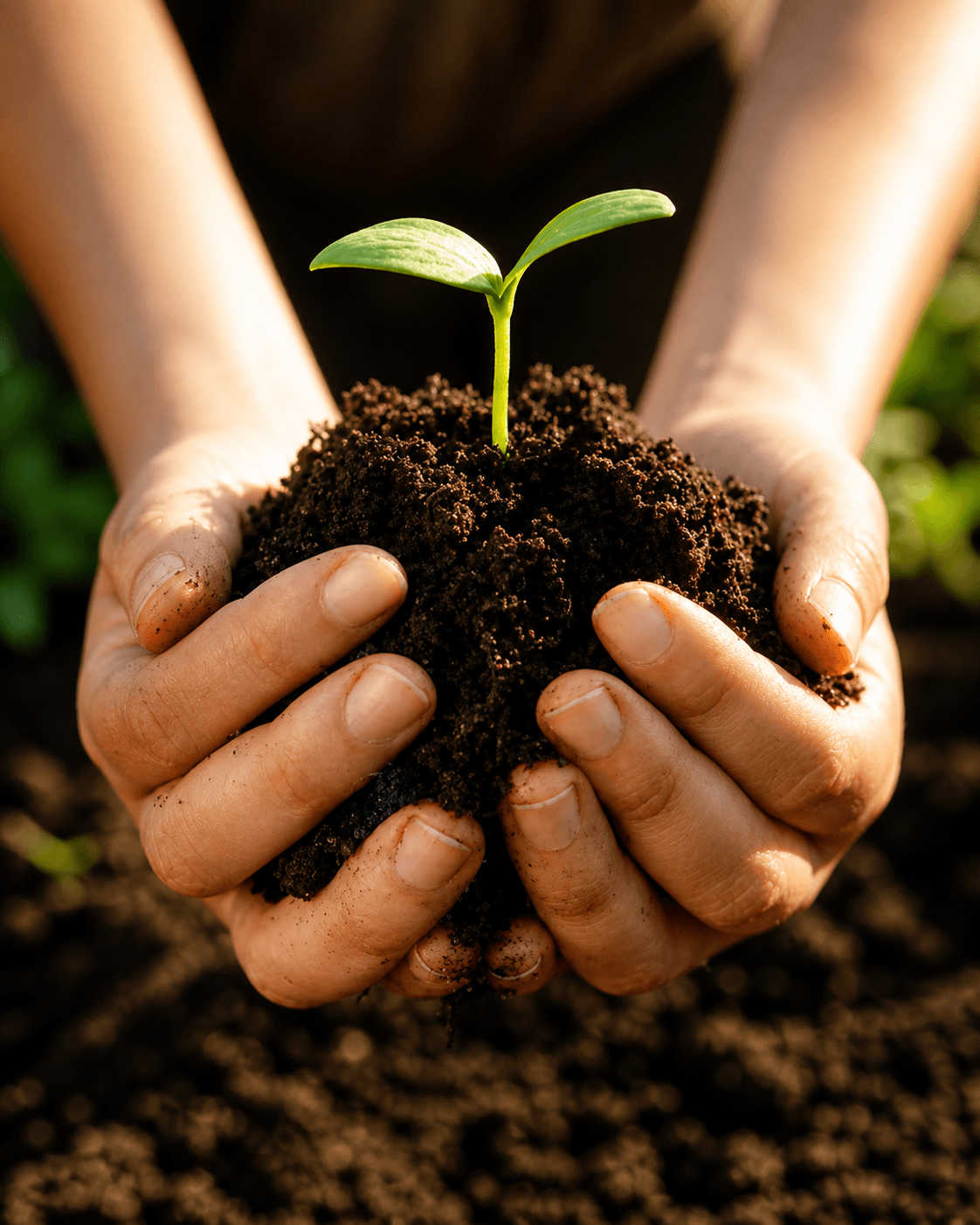
Organic inputs such as compost, vermicompost, green manure, and bio-fertilizers are used in mango farming. These manures supply essential nutrients to the plants and increase beneficial microorganisms in the soil.
In addition to these traditional organic inputs, we also use the following eco-friendly nutrient management practices in our orchard:
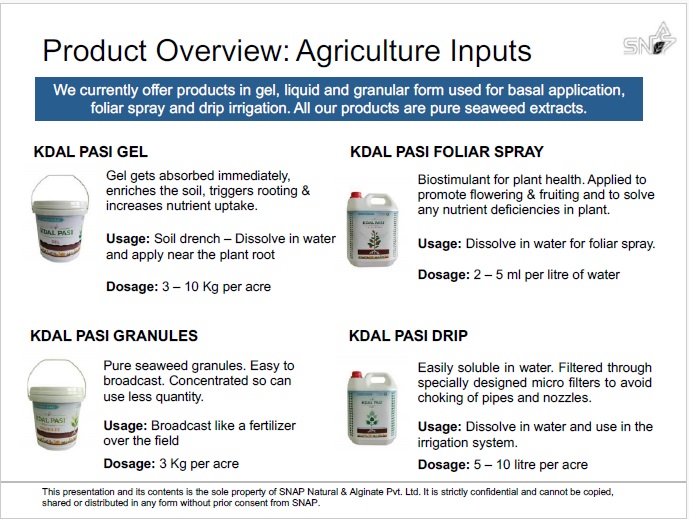
Kdalpasi Gel – applied through basal application to improve soil nutrition and root health
Kdalpasi Foliar Spray – sprayed on leaves for direct nutrient absorption and improved plant vigor
Kdalpasi Drip – applied through drip irrigation for efficient and uniform nutrient delivery
Kdalpasi Granules – used as basal application for slow and sustained soil fertility improvement
Planting Method
Healthy, grafted, and disease-free mango saplings are selected for planting. Pits of suitable size are dug and filled with soil mixed with organic manure. Saplings are planted at proper spacing to allow good air circulation and growth.
Irrigation Management
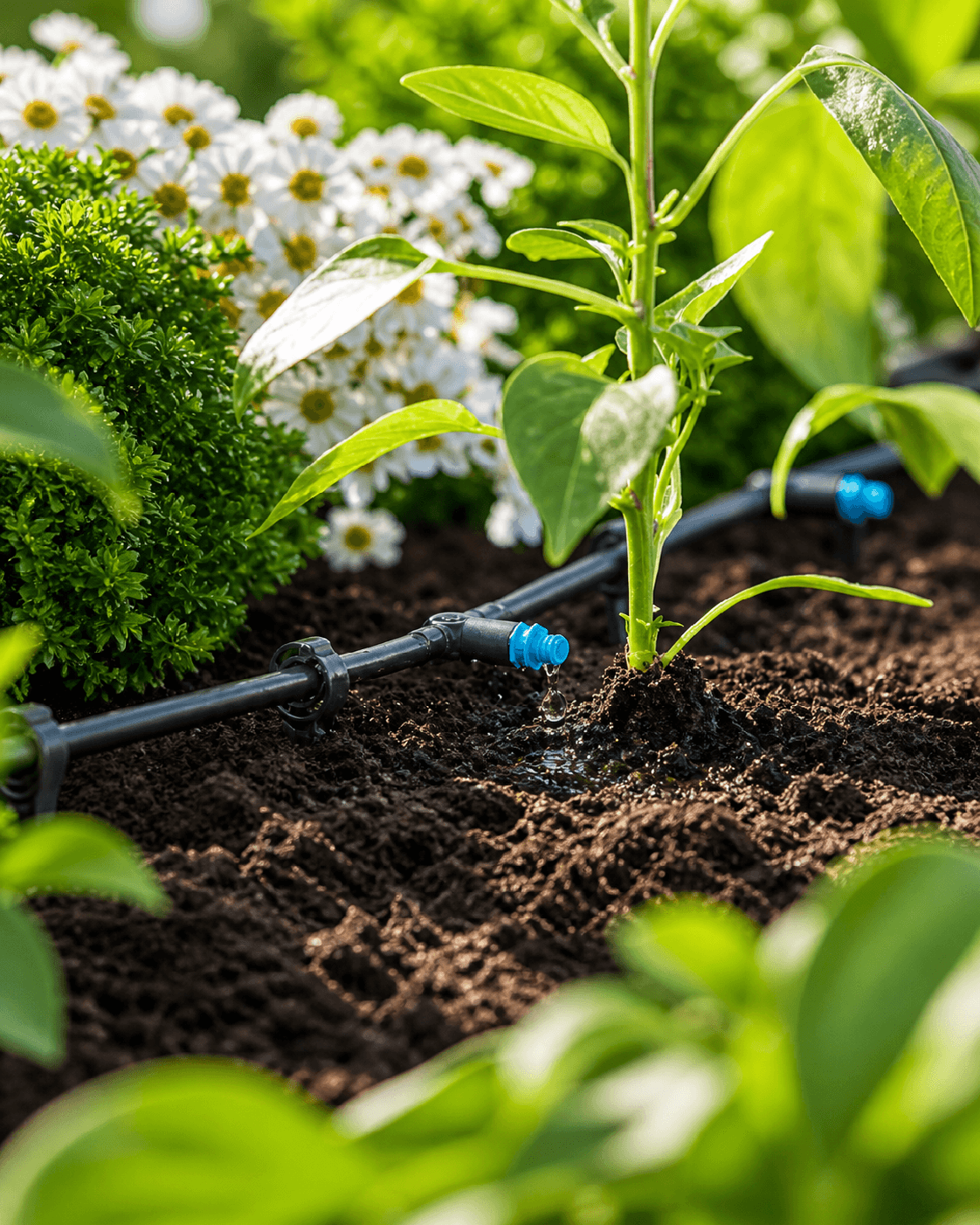
Irrigation is provided according to the age and requirement of the crop. Young plants require regular watering, while mature trees need less frequent irrigation. Drip irrigation is preferred as it saves water and maintains soil moisture.
Pest and Disease Management
We have been using a plant health management protocol (PHMP) for the management of pests, diseases, and nutrient requirements of the mango crop. PHMP has four components:
1.Sanitiser salt (80% NaClO₂)
2.Anhydrous Citric acid
3.Emulsified botanical oils (cold-pressed neem oil and pongamia oil emulsified with mild soap)
4.Nutrients supplied through seaweed products only
No synthetic pesticides or fungicides are used. For the prevention of spongy tissue, we use a patented product of IIHR which is environmentally safe.
Pests being managed: Mango leaf hoppers, Thrips, Loopers and Semi-Loopers, Mealy Bugs, etc.
Diseases being managed: Anthracnose, Powdery Mildew, Stem End Rot, etc.
Eco-Friendly Fruit Fly Control
To protect mango fruits from fruit flies naturally, we use pheromone and kairomone traps:
Pheromone Traps & Lures: Containing Methyl Eugenol with slow-release gel.
Kairomone Traps & Lures: Containing Yeast Protein, Sugar, and slow-release gel.
✅ Eco-friendly and non-toxic
✅ Does not come in contact with fruits
✅ Sustainable fruit protection
Plant Health Management Protocol (PHMP)
1.Post-Pruning Spray (Mango)
Sanitizer salt – 0.5 g/litre
Anhydrous Citric acid – 0.5 g/litre
EBO – 0.5 ml/litre
Seaweed extracts (foliar) – 3 ml/litre
APSA 80 – 0.2 ml/litre
2.Mango – Flower Induction Spray
Floor herbal brine (flower inducer) – 70 ml/litre
Sanitizer salt – 0.5 g/litre
Anhydrous citric acid – 0.5 g/litre
EBO – 2 ml/litre
Seaweed extracts – 5 ml/litre
APSA 80 – 0.2 ml/litre
✔ One spray triggers flowering in 4–6 weeks
✔ Spray underside of leaves and full canopy coverage
3.Fruit Development & Protection Spray
Sanitizer salt – 0.5 g/litre
Citric acid – 0.5 g/litre
EBO – 5 ml/litre
Seaweed extract – 3 ml/litre
APSA 80 – 0.2 ml/litre
✔ Repeat after 15 days
✔ Followed by soil drench
4. Soil Management (Every 3 months)
Neem cake
Castor cake
Vermicompost
Kdalpasi organic manure
Harvesting
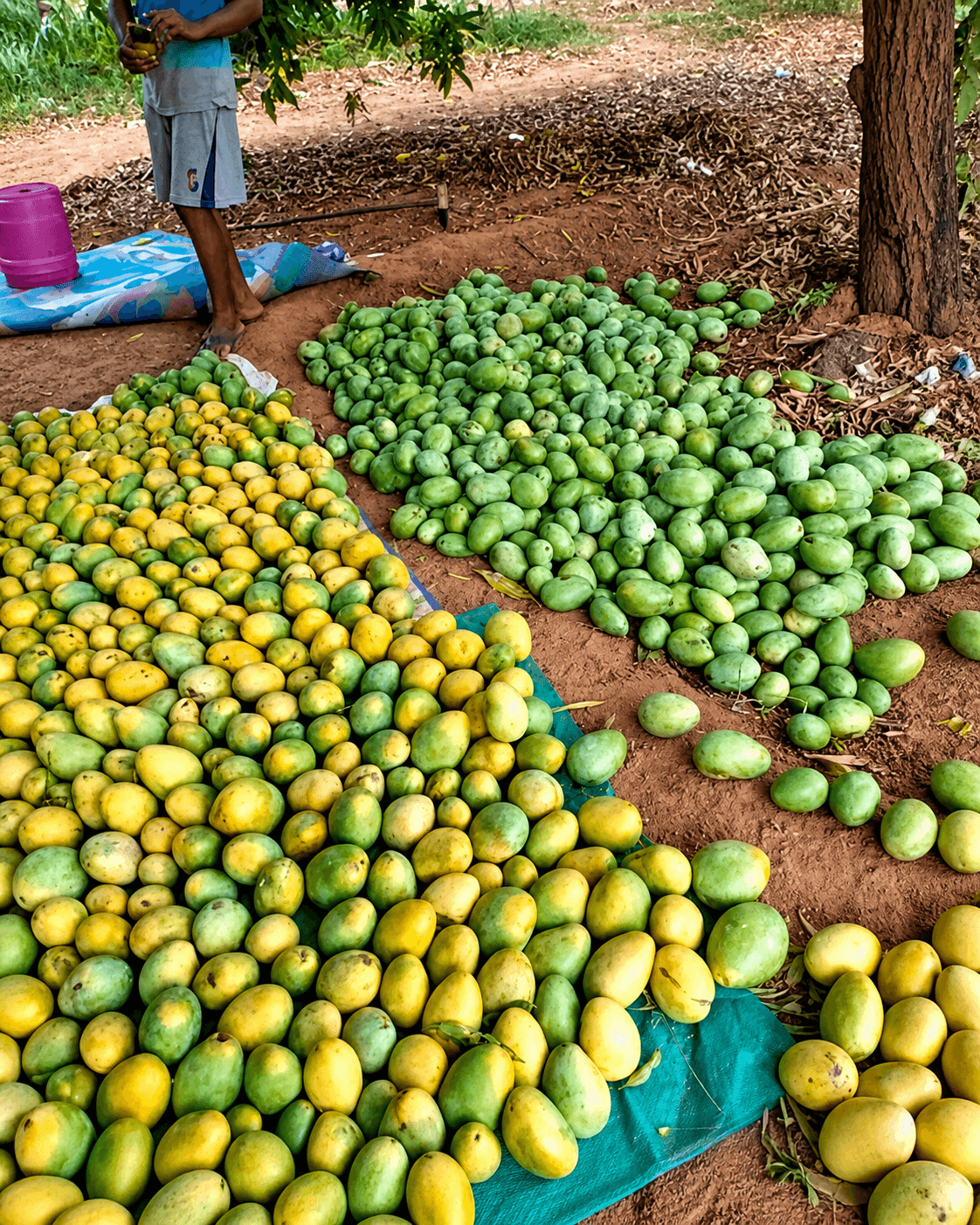
Mango fruits are harvested when they reach proper maturity. Harvesting at the right stage improves fruit quality and shelf life. Careful handling is required to avoid damage during harvesting.
-
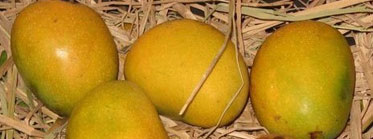
Healthy & chemical-free mangoes
-
Improves soil fertility naturally
-
Protects environment and biodiversity
-
Provides higher market value to farmers
Challenges
1.High Initial Cost
Organic mango farming is a natural and eco-friendly method of cultivating mango crops. In this system, chemical fertilizers, pesticides, and growth regulators are not used. Instead, natural manures and organic practices are followed to maintain soil fertility and produce healthy, chemical-free mango fruits.
2. Pest and Disease Control
Managing pests and diseases without chemical pesticides is difficult and requires regular monitoring and organic treatments.
3. Lower Yield in Initial Years
During the initial conversion period, yield may be lower compared to conventional farming.
4. Availability of Organic Inputs
Quality organic manure and bio-inputs may not be easily available in all areas.
5. Labor Requirement
Organic farming needs more labor for activities like compost preparation, mulching, and manual weed control.
6. Certification Process
Obtaining organic certification is time-consuming and involves documentation and inspection.
7. Market Awareness
Lack of proper market awareness and access can affect the sale of organic mangoes.
Conclusion
Organic mango farming is a sustainable and profitable agricultural practice. It improves soil health, protects the environment, and provides safe fruits to consumers. This method supports long-term farming and farmer income.
-
Date
5 Febraury, 2026
-
Website
www.vedyaexports.com
-
Location
Jeelugula
Share on


Our Latest Projects

Our Similar Projects