Previous
Drip Irrigation System
Introduction
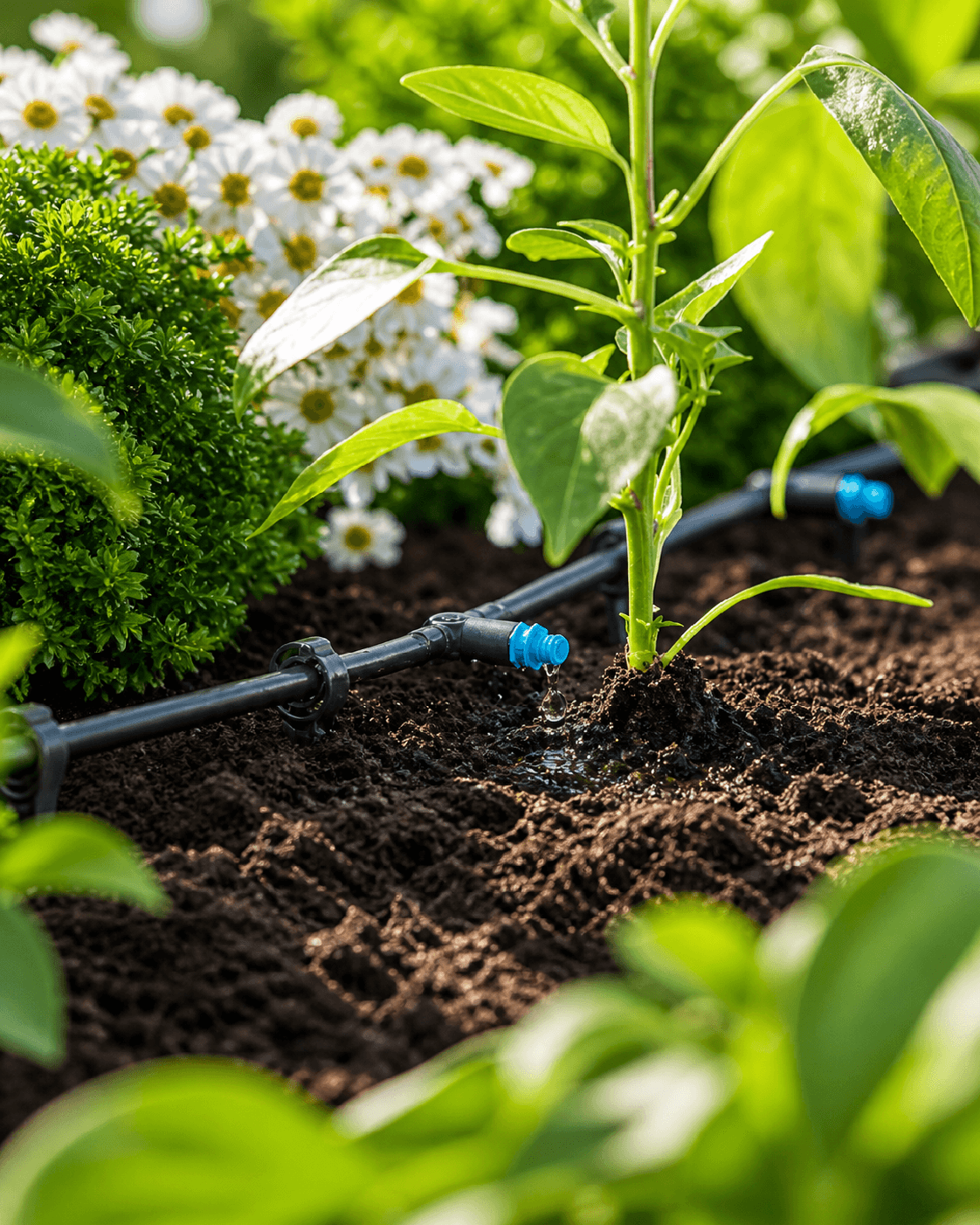
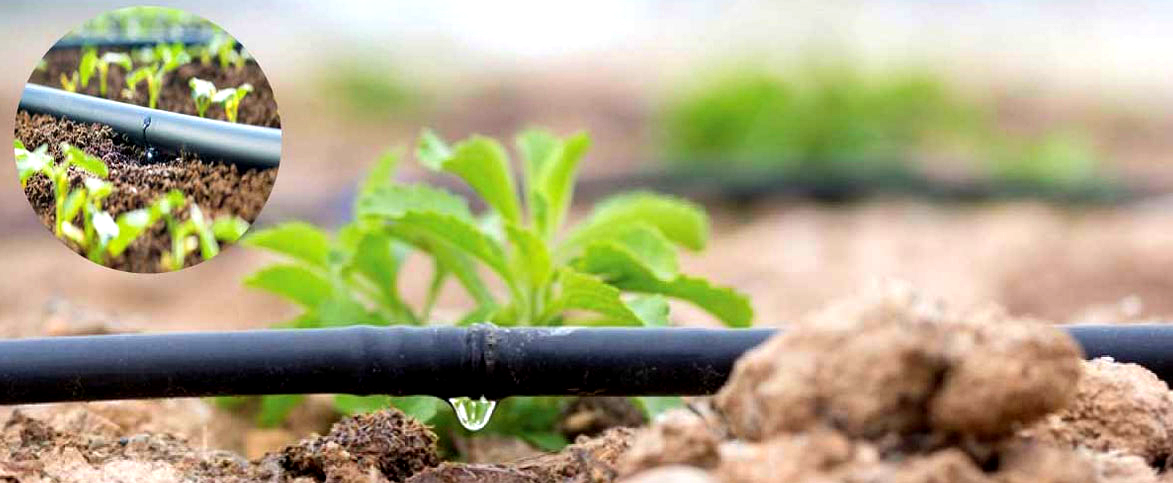
Drip irrigation is a modern method of irrigation in which water is supplied directly to the root zone of plants through pipes, valves, and emitters. This method reduces water wastage and improves crop growth by providing water in a controlled manner.
Importance of Drip Irrigation
Drip irrigation plays an important role in water conservation. It increases crop yield, saves water and fertilizers, and reduces weed growth. This system is very useful in water-scarce areas.
Components of Drip Irrigation System
The main components of drip irrigation are water source, pump, filters, main pipe, lateral pipes, emitters, and control valves. Each component helps in the smooth flow of water.
Working of Drip Irrigation
Water is pumped from the source and passed through filters to remove impurities. It then flows through main and lateral pipes. Emitters release water slowly near the roots of plants.
Types of Drip Irrigation
Drip irrigation systems are of different types such as surface drip irrigation, subsurface drip irrigation, and micro-sprinkler system. Selection depends on crop and soil type.
Advantages of Drip Irrigation
Drip irrigation saves water
Reduces fertilizer loss
Improves crop yield
Controls weed growth
Disadvantages of Drip Irrigation
Initial cost is high
Emitters may get clogged
Requires regular maintenance
Crops Suitable for Drip Irrigation
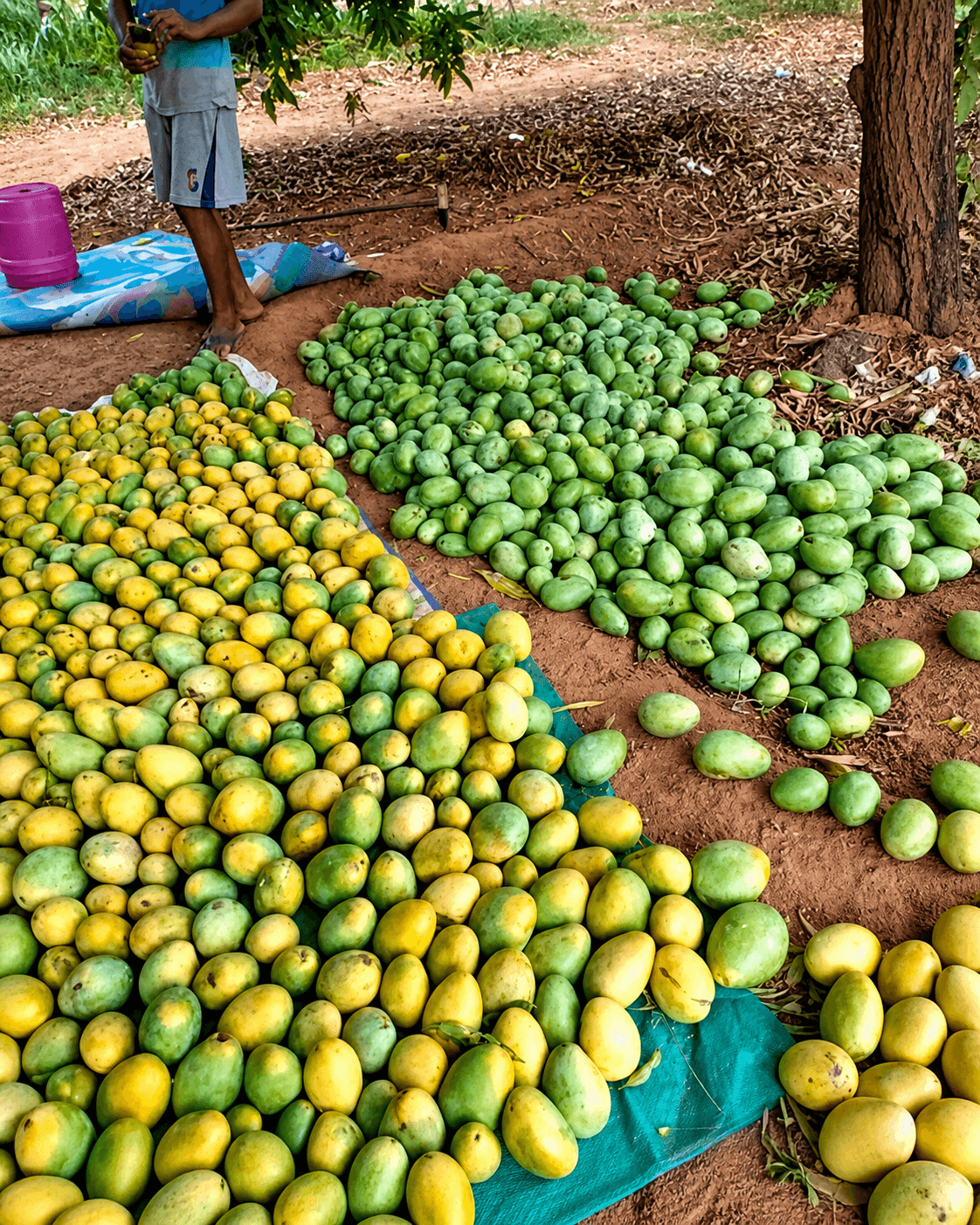
Drip irrigation is suitable for crops like mango, banana, grapes, sugarcane, cotton, vegetables, and flowers.
-
Saves water efficiently
-
Improves crop growth
-
Reduces labor cost
-
Supports sustainable farming
Challenges of Drip Irrigation
1. High Initial Cost
The installation cost of drip irrigation is high due to pipes, emitters, filters, and pumps, which may be difficult for small farmers.
2. Clogging of Emitters
Emitters can get blocked due to dust, sand, algae, or salts present in water, affecting uniform water distribution.
3. Regular Maintenance Required
Drip systems need frequent checking, cleaning of filters, and repair of damaged pipes.
4. Skilled Management Needed
Proper design, installation, and operation require technical knowledge and trained workers.
5. Damage to Pipes
Pipes may be damaged by rodents, insects, farm tools, or sunlight if not protected properly.
6. Power Supply Dependence
The system depends on electricity or fuel for pumping water, which can be a problem in rural areas.
7. Not Suitable for All Crops
Drip irrigation is not ideal for closely spaced crops like rice and wheat.
8. Water Quality Issues
Poor quality water with high salts can reduce system efficiency and damage emitters.
Conclusion
Drip irrigation is an efficient and water-saving irrigation method. It helps farmers increase productivity and manage water resources effectively. This system is ideal for sustainable agriculture.
-
Date
26 January, 2026
-
Website
www.vedyaexports.com
-
Location
Jeelugula
Share on
Our Latest Projects

Our Similar Projects