Soil Health Improvement
10
DECSoil Health Improvement – The Heart of Organic Farming
In organic farming, everything begins with the soil. Before a seed is planted or a tree starts to grow, the condition of the soil decides the future of the crop. At Vedya Fruit Gardens, we’ve learned through experience that healthy soil is not created overnight—it is built patiently, season by season..
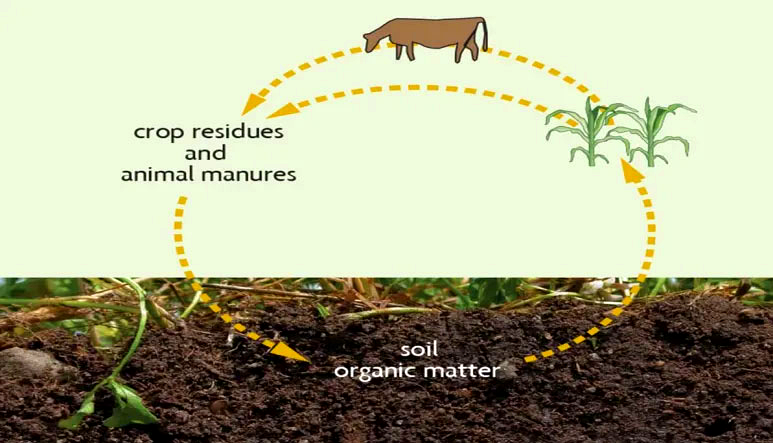
Instead of feeding plants with chemicals, we focus on feeding the soil. Natural compost, farm residues, cow-based inputs, green cover, and mulching help restore life beneath the surface. Over time, the soil becomes richer, softer, and full of beneficial microorganisms. When soil is alive, plants grow stronger on their own, without constant external support.
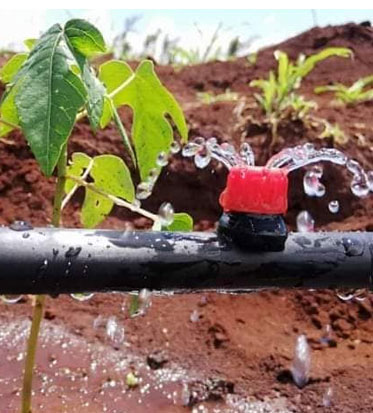
One of the biggest benefits of improved soil health is better water management. Healthy soil holds moisture for longer periods, reducing the need for frequent irrigation. At the same time, it drains excess water during heavy rains, protecting roots from stress and damage. This balance is especially important in regions like Telangana, where weather conditions can change suddenly.
As soil structure improves, plant roots grow deeper and spread wider. This allows trees to absorb nutrients more efficiently, making them more resistant to pests, diseases, and extreme temperatures. In our mango, guava, coconut, and avocado plantations, healthier soil has resulted in consistent growth, better flowering, and improved fruit quality year after year.
Soil health improvement is also closely connected to sustainability. Living soil prevents erosion, reduces dependency on chemical inputs, and supports biodiversity—from earthworms to beneficial microbes. It protects the land for future generations while producing safe, nutritious food today.
True organic farming is not about shortcuts or quick results. It is about respecting the land and working in harmony with nature. When we care for the soil, the soil takes care of the farm. That is why soil health improvement remains the foundation of everything we grow at Vedya Fruit Gardens.
Share this post >>>>
- Improved Nutrient Availability
Healthy soil naturally supplies essential nutrients, reducing dependency on synthetic fertilizers.
Better Water Retention
Organic matter-rich soil holds moisture longer, helping crops withstand dry conditions.
Stronger Root Systems
Loose, well-aerated soil allows roots to grow deeper and absorb nutrients efficiently. - Reduced Soil Erosion
Improved soil structure prevents topsoil loss during heavy rains or irrigation.
Higher Crop Quality
Balanced soil biology leads to healthier plants and better-tasting, more nutritious fruits.
Long-Term Sustainability
Soil regeneration ensures productive farmland for future generations.