Drip Irrigation
10
DECHow Drip Irrigation Is Transforming Water Efficiency
Water has become one of the most valuable resources in modern agriculture, especially in regions like Telangana where rainfall is unpredictable. At Vedya Fruit Gardens, drip irrigation has completely transformed the way we manage water while maintaining healthy crop growth.
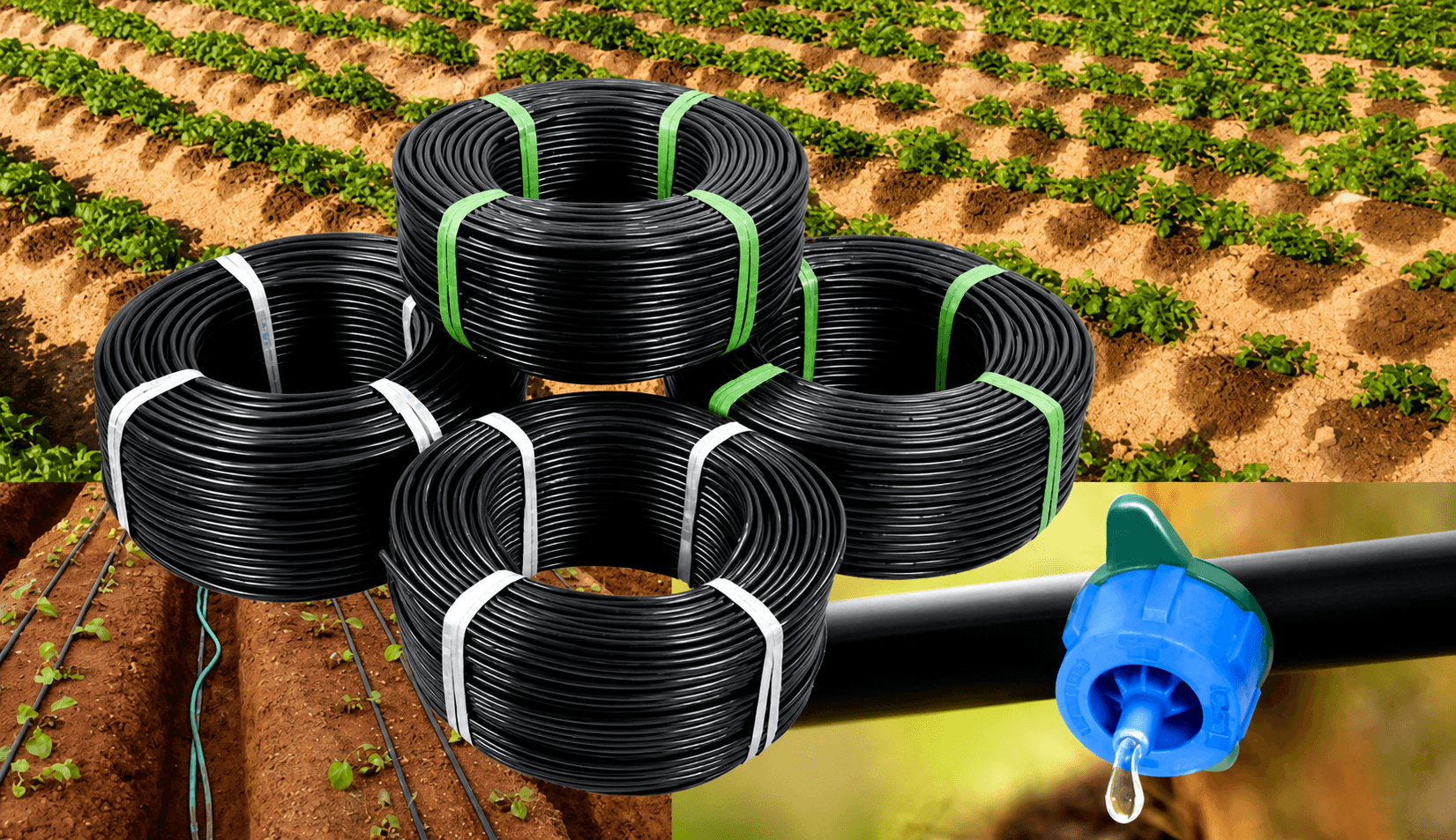
Unlike traditional irrigation methods that waste large amounts of water through runoff and evaporation, drip irrigation delivers water slowly and directly to the plant roots. This targeted approach ensures that every drop of water is used effectively, improving moisture retention and reducing unnecessary loss.
Drip irrigation also plays a major role in maintaining soil health. By keeping the soil evenly moist, it prevents erosion, reduces weed growth, and supports better nutrient absorption. Plants experience less stress during hot seasons, leading to stronger root systems and improved fruit quality. At Vedya Fruit Gardens, the installation of drip irrigation has helped us significantly reduce water consumption while increasing productivity across mango, guava, coconut, and avocado plantations. This system allows us to monitor water usage closely and adjust it according to seasonal and crop requirements.
Beyond water savings, drip irrigation supports sustainable farming by lowering energy usage and minimizing the need for chemical inputs. It aligns perfectly with our commitment to eco-friendly and organic farming practices. As climate conditions continue to change, adopting efficient irrigation systems is no longer optional—it’s essential. Drip irrigation is not just a technology; it’s a long-term solution for responsible farming and water conservation.
Share this post >>>>
- 0–60% Water Savings
Drip irrigation reduces water usage compared to traditional flood irrigation methods.
30% Increase in Yield
Consistent root-level watering leads to healthier plants and improved fruit production.
40% Lower Energy Costs
Efficient water flow reduces pumping time and electricity consumption. - Less Water, Better Control
Farmers can regulate water flow based on crop stage and seasonal needs.
Reduced Labor Effort
Automated drip systems minimize manual watering and field supervision.
Healthier Soil Structure
Slow water release prevents soil cracking and nutrient
loss.
